
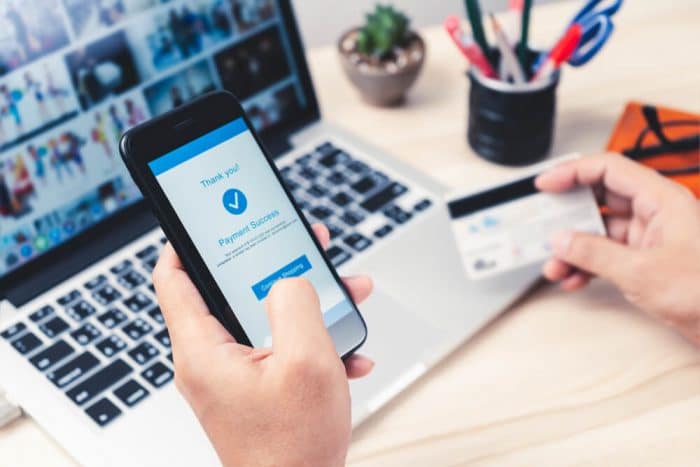
Electronic fraud and theft approximately account for 3 in every 10 cyber offences according to the Uganda Police annual crime report for the year 2019. This only suffices to show that with many businesses going digital to reach their customers during the COVID-19 health crisis, payment card data breaches are yet to increase as cybercriminals leverage the increased volume and diversity of transactions to launch their attacks.
Whereas enterprises must offer a secure digital banking and payments experience for their customers and staff, the responsibility to combat online theft especially in this time of crisis cuts across every party, including the less cyber-savvy end-users using the e-commerce platforms more than ever before.
All too often, we quickly reach for our credit card and enter the card details into a website to make an online purchase. It is important to note that credit or debit card information including the card number, expiration date, and security code, once exposed, can be used to make unauthorized purchases anywhere in the world.
Payment card fraud is largely fuelled by social engineering tactics targeted at unsuspecting users. A fraudster may, for instance, offer a gift or say you won a prize and then ask for your credit card information to cover a small shipping cost. Some scammers may also fake calling or sending an email from a known company and ask more information to confirm an account hence prompting you to give personal information. No one is immune to credit card fraud! The ideal defence against this kind of crime is the regular practice of cyber hygiene by both consumers and business owners.
Take hold of these tips to help secure your payments online:
- Limit websites you trust with your payment information. Choose to only provide your payment information to reputable websites. Most reputable websites will support Strong Customer Authentication (SCA), the two-factor authentication such as Visa Secure or MasterCard SecureCode on merchant sites, that adds an extra layer of security to your online transactions. At the bare minimum, only trust web pages that are HTTPS enabled.
- Keep payment card details in a safe place. Ensure to only carry necessary information with you and avoid keeping credit or debit cards in your wallet or purse which stand the risk of being stolen. Regularly destroy payment receipts with a shredder.
- Beware of phishing campaigns. Be vigilant not to click on spam and to evaluate incoming messages to combat phishing attempts. Before you risk clicking on a link, hover the cursor over the hyperlink to see the URL that link is bound to take you to and to closely look at the domain to see if it makes sense in the given context.
- Make use of one-time payment cards. This is very handy when purchasing something from a vendor that you do not reliably trust provided your card issuer offers a one-time card number that still links to your account.
- Protect your devices before going online. Be sure to install system patches and antivirus updates before attempting to transact online. Without adequate security controls in place, malicious actors can install malware to capture keystrokes of your online information. Do not enter personal information on public Wi-Fi or on a device that is not your own.
- Narrow the risk exposure. Consider using a dedicated payment card or gift credit cards for all your online purchases and a different card for your in-person or real-life transactions. Additionally, opt to use a credit card rather than a debit card to limit the extent of losses associated with identity theft.
- Review your transaction history. Make certain that you regularly check your account transaction history to look out for suspicious activity. You may subscribe to a credit monitoring service to always alert you about any transactions taking place on your credit card.
- Do not hesitate to report card loss and breaches. Report to the police and your card issuer as soon as you lose your card or notice unscrupulous activity after providing your payment card details. Keeping quiet will only worsen the situation and potentially lead to hefty fines.
Are your payments still safe?
Copyright Summit Consulting Ltd 2020. All rights reserved.



0 comments
Leave a comment