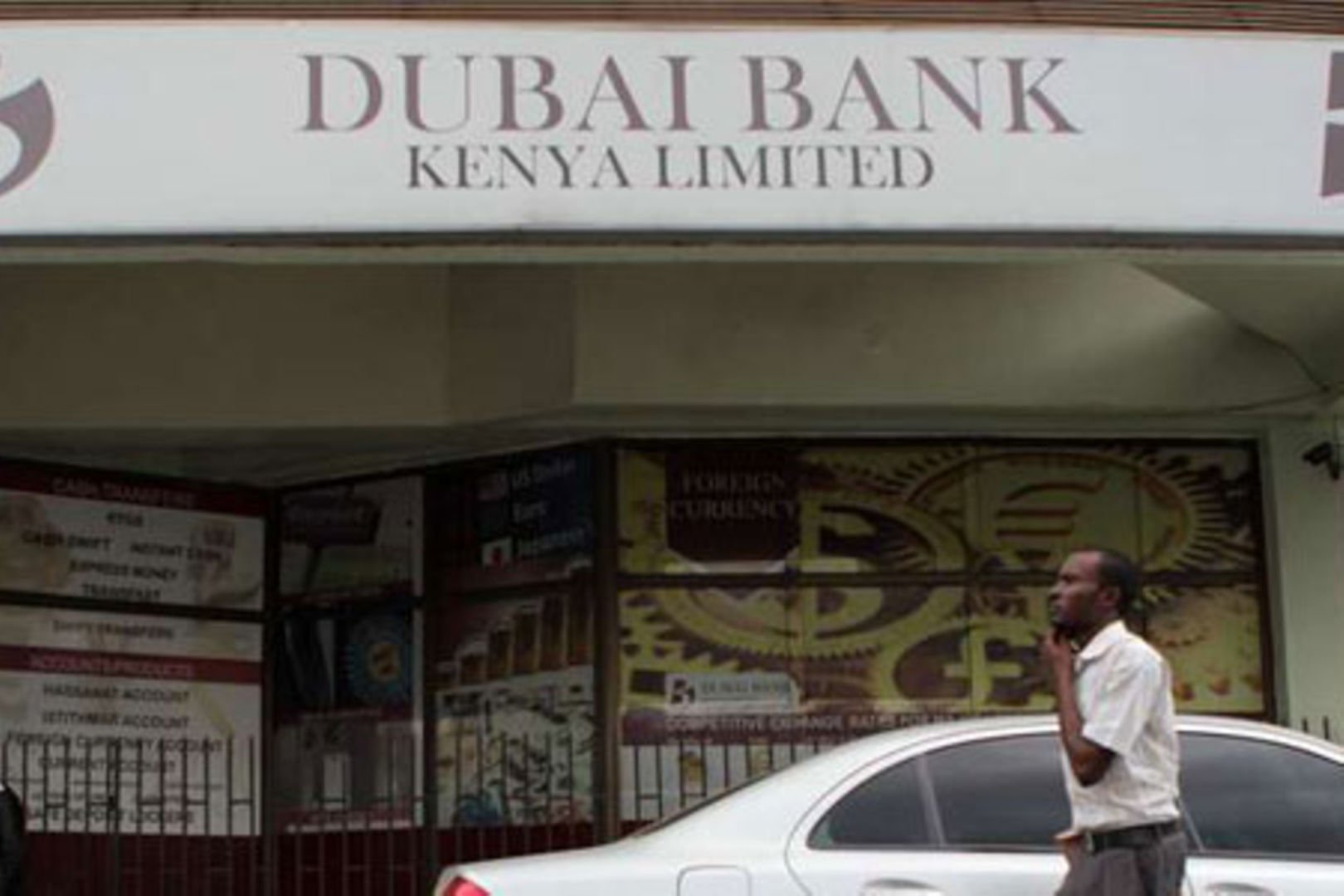
This is not a story of economic headwinds. It’s a case study in how to dig your own grave while smiling for the press. Dubai Bank Kenya didn’t fail. Its board let it die systematically, scandalously, and in broad daylight.
Here’s what happened and what every executive should take note.
- a) The illusion of growth without governance
Dubai Bank Kenya fancied itself as a rising financial star. But like most mirages in the desert, it looked good from a distance and disappeared upon close inspection. The Central Bank of Kenya pulled the plug in 2015. Why? Chronic liquidity shortages and capital erosion that reeked of poor oversight, dubious loans, and insider dealings.
The bank’s capital adequacy ratio had sunk below 8% of the regulatory floor. Meanwhile, liquidity levels? Dangerously below the required 20%. That wasn’t a risk management problem. That was a governance crime scene.
The Dubai Bank board functioned like a private club for politically connected elites. They weren’t guiding the ship; they were too busy hosting cocktail parties on deck while the hull of the ship was cracking.
- No chief finance officer, no internal audit unit, that’s not governance but glorified loitering.
- No response to Deloitte’s 2012 audit warnings, 61 internal control failures, 11 of them fatal. And yet, business as usual.
A board that ignores audit flags is not just asleep. It’s complicit. Leadership is not attendance at meetings; it’s oversight with teeth.
- b) A party house for PEPs
Dubai Bank didn’t fail. It was failed by its board, by its executives, and by a culture that saw compliance as optional and controls as decorations. The bank ignored CBK directives, delayed filings, and maintained poor records. Add to that high insider lending, a narrow deposit base, and toxic asset quality, and you’ve got a textbook case of self-sabotage.
Dubai Bank was less a financial institution and more a revolving door for politically exposed persons (PEPs) to launder influence into unsecured loans.
- i) Six companies tied to insiders took over Sh1 billion in loans - 88% of core capital.
- ii) Zap Group alone borrowed Sh889 million. Sololo Outlets (linked to Cyrus Jirongo) took Sh103 million.
iii) No collateral, no repayment and no shame.
That’s not poor credit risk management. That’s sanctioned looting in a pinstripe suit.
The single-borrower limit is not a suggestion, but It’s a lifeline. When the C-suite starts allocating credit based on who you know, rather than what you can repay, the collapse is scheduled, it’s just a matter of time.
- c) When loyalty trumps logic
Dubai Bank had a culture where questioning authority often led to being sidelined. The silence was so loud it echoed.

"It’s Michael Porter who said, “Culture eats strategy for breakfast.” He was right. And if your culture rewards complicity over conscience, the outcome is always corruption."
Tweet
Compliance officers? Toothless.
ii) Risk functions? Undermined.
iii) Whistleblowing? Career suicide.
The bank’s internal DNA was wired to prioritize political favours over fiduciary responsibility. It was like watching a fire in your own kitchen and deciding to host a barbecue instead of grabbing a fire extinguisher.
It’s Michael Porter who said, “Culture eats strategy for breakfast.” He was right. And if your culture rewards complicity over conscience, the outcome is always corruption.
d) The numbers didn’t lie, the board did
i) Dubai Bank had a core capital of KSh1 billion but gave out loans worth KSh1.4 billion to just two clients. That’s like having one lung and running a marathon while chain-smoking.
ii) Advance-to-deposit ratio hit 153% well beyond the legal threshold of 75%.
iii) Deloitte flagged a material suspense account translation: money with no known destination.
This wasn’t banking, it was a masquerade or a shell.
When CBK pulled the plug and KDIC stepped in, the bank was already on life support. Liquidity gone. Capital base eroded. Governance non-existent.
KDIC didn’t put Dubai Bank down, it simply called time on a corpse.
c) Lessons from the wreckage
- Capital is not a cushion it’s a commandment. If you can’t meet your capital adequacy ratios, you have no business lending. Full stop.
- Liquidity is oxygen. Lose it, and you die fast. Liquidity mismanagement is corporate suicide. Don’t pray for bailouts. Plan for runways.
- Compliance is not paperwork it’s survival. When a regulator talks, you listen. CBK gave warnings. The bank ignored them. That’s not bold, that’s brainless.
- Don’t confuse loyalty with legality. Insider lending is the cancer of banking. It rewards loyalty, not logic, and kills institutions from the inside.
- Governance is not ceremonial. Board roles aren’t titles. They’re responsibilities. Oversight is a job, not a formality.
- Politically connected borrowers = high-risk clients. If a borrower is too powerful to fail, they’re too dangerous to fund. No exceptions.
- Listen to your auditors. When an audit flags 61 issues, don’t throw a luncheon. Launch an inquisition.
- Culture is strategy’s silent killer. If your staff fear telling the truth, your risk function is broken, and your end is near.
- Protect the institution, not the personalities. The reluctance to name names showed who really ran the bank: not the board, but the untouchables behind it.
Dubai Bank Kenya didn’t collapse because of external shocks. It collapsed because of internal rot. Strategy without discipline is just noise. Culture without controls is a countdown to collapse.
The next time your board ignores a risk report, remember: what you tolerate today becomes your tombstone tomorrow.
A bank is a fortress. The board is the gatekeeper. But at Dubai Bank, the gatekeepers sold the keys and partied inside while the walls fell. If you’re on a board, remember: your silence can be more dangerous than your ignorance.