
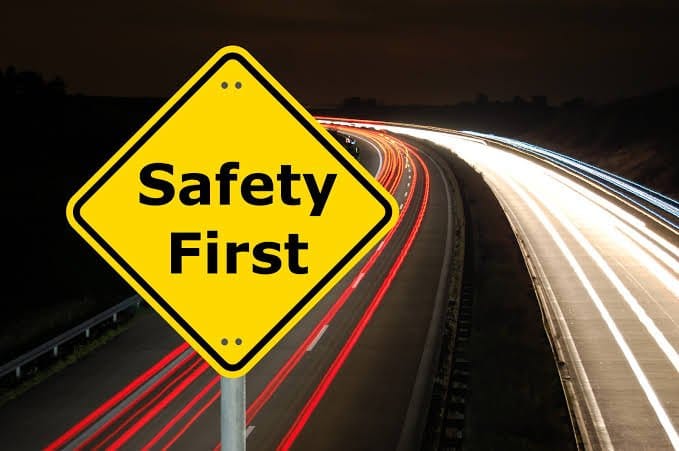
She braked suddenly and hit the car in front, when the newly installed Kyanja traffic lights turned red, as she rushed to move past the junction heading straight to Nakawa. Accidents on the road vary in magnitude, some minor others major. Once you are involved in an accident, it could ruin your entire day or career or both. It pays to be careful and patient on the road.
Any regular user of the Kisaasi, Ntida road has noticed major engineering flows in the road design. That is how glaring they are. Unfortunately, it appears roads are opened for public use without any user testing whatsoever. On the Kisaasi junction, they had constructed a road divider in the middle of a corner. It caused major traffic holdups and accidents at night. Thank Goodness, it was finally removed. It is as if the road constructors do more trial and error than road planning. Same with the timing for the traffic lights. The folks who install the lights and set their timing seem ignorant about the objectives of the traffic lights in the first place. You must first study the traffic volumes, and the type of traffic at the interjection from each feeder road, andgive more priority (extended time) to high volume feeders. But that is a discussion for another day.
The causes of road accients range from poor road user habits especially impatience on the road, miscalculations, and blunt ignorance of the traffic laws. Many other road users just do not care about any order on the road. They just want to move. A pedestrian thinks it is the responsibility of other road users to see him or her and keep them safe on the road. A bicycle assumes it is the role of the motorbike rider who in turn assumes it is the responsibility of the car drivers to notice and keep them safe on the road. Some of us who have been lucky to use the road in all those different capacities know how these assumptions are the leading cause of accidents.
Occasionally, I run along our city roads. That is when you notice the roads were not meant for all users. Very few roads have provisions for different kinds of road users. And those that have, often lead you into a trap at any interconnection, as the next road is usually limited which exposes you to head-on traffic of all kinds, pedestrians, riders, drivers, and everything in between. One wonders whether the city road planners ever take time to first use the road in different capacities before planning for the new extension projects. That way, they would gain critical insights on how to plan for traffic.
When you are a witness to a traffic accident, you have the luxury to see and think about so many things. As the driver that had been knocked got out of the car, to check on the magnitude of the dent on his car by the lady in the rush, the lights turned green, but traffic could not move. These folks then went into arguments. It took the intervention of a traffic police officer, some distance away to have the cars pulled aside for normal traffic flow to resume. Here is how to be safe on the road:
- Start your journey early. Get on the road early. Have 1-2 hours margin for your next appointment so that you do not rush while on the road. The rush for arriving late has been linked to high stress and lost productivity
- Avoid disruptions especially using your mobile phone, while driving. Focus on the road ahead. One of the leading causes of accidents is checking or reading messages or chats on the phone while driving.
- Listen to music but avoid watching videos. It is just not safe for you and other road users.
- Plan your route and stick to it. Avoid trying to cut corners. It is a known fact, that the highway or main way is usually the best choice for your destination. Use it.
- Be compliant while on the road. Know the traffic law and the rules. Keep your left as required by the law. Respect Zebra crossing. Don’t throw rubbish out of your car while on the road. Give right of way.
- Make sure you had a nice rest and light meal before getting on the road. Being sleepy, yawning and generally being uncomfortable while behind the wheels is a recipe for disaster. Take care of yourself first so that other road users enjoy the road with you
Above all, if you cause an accident, you risk wasting your entire day, if not your career and life’s work. Another reason is to be calm and focused.
Wish you a safe journey.
Copyright Mustapha B Mugisa, Mr Strategy 2022. All rights reserved.



0 comments
Leave a comment