Ladies and Gentlemen
Too many boards are still playing checkers when the game is chess. What game are you teaching your children? Your staff? Checkers or Chess???
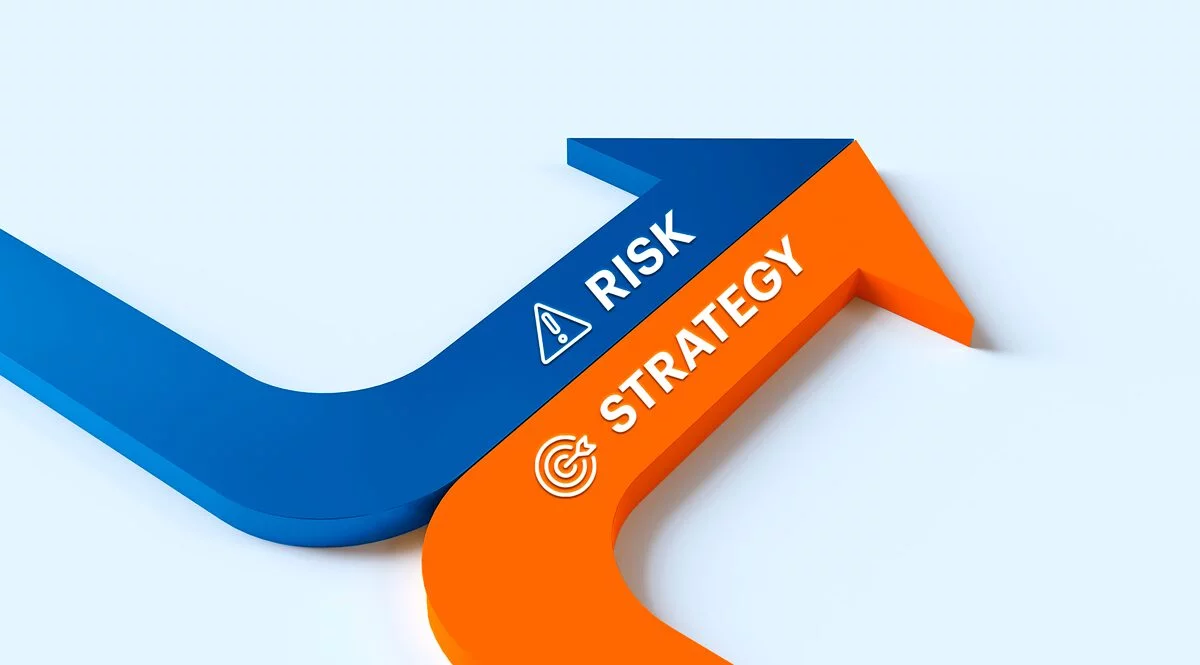
Strategy gets discussed in one room, risk in another, and global disruption? That’s the awkward elephant no one wants to talk about. Yet, as Secretary Emeritus of the Institute of Corporate Governance, I have seen what happens when boards ignore these connections. It’s not pretty.
Take a page from a local NGO. In 2023, their governance was a cautionary tale. Fragmented oversight meant they weren’t ready for operational shocks like COVID-19. Donors raised the alarm about outdated risk frameworks and demanded reforms or else. It took a crisis to wake them up.
But wake up, they did. By mid-2024, the NGO’s board transformed its governance structure, tying risk management directly to strategic priorities. They didn’t just react to disruption; they built systems to anticipate it. And that’s the lesson here: boards can’t afford to treat global disruption as “external noise.” It’s not background chatter; it’s the market itself.

"Disruption isn’t external noise; it’s the rhythm of the market. Boards that can’t hear it are already offbeat."
Tweet
Why your board needs to evolve
Most boards are behind the curve. They treat risk as a box-ticking exercise, strategy as a quarterly chat, and global trends as a PR topic. This siloed approach is not just outdated, it’s dangerous.
Strategy without risk insight is wishful thinking. What’s the point of crafting a five-year growth plan if you haven’t stress-tested it against geopolitical tensions, emerging technologies, or climate volatility? On the flip side, risk management that ignores strategy turns boards into fire brigades, always reacting to the latest crisis instead of proactively navigating challenges. The VUCA age is real.
And global disruption? It is not just a storm; it’s the weather. Boards that ignore it are essentially sailing blind. The rise of generative AI, economic decoupling, supply chain disruptions. These aren’t “external factors.” They are the game.
What does integration look like?
The NGO’s turnaround offers a playbook. They did not just throw buzzwords at the problem; they built systems. First, they redefined governance as the glue binding strategy, risk, and global trends. Their risk frameworks stopped being static documents and became dynamic tools aligned with their strategic goals.
For example, they launched real-time risk dashboards to track everything from donor compliance to emerging health threats. More importantly, their board began using this data to ask better questions. What happens if donor funding drops by 20%? How do we scale innovation in a way that doesn’t jeopardize compliance?
"Do we scale innovation in a way that doesn’t jeopardize compliance? "The role of the board isn’t to react to crises it’s to ensure they never become crises in the first place."
Tweet
This wasn’t about creating more paperwork. It was about making risk and strategy part of the same conversation.
How to make this work for your board
If your board isn’t integrating these elements, it’s not steering, it’s drifting. Here’s what you need to do:
- Kill the silos. Stop treating strategy, risk, and disruption as separate topics. Demand integrated discussions. Every board meeting should ask, “What’s the risk-reward of this decision, given the current global landscape?”
- Invest in scenario planning. If your board isn’t running simulations, it’s flying blind. Use scenario planning to stress-test strategies against different disruptions. What’s your plan if AI regulation shuts down a key innovation? What if economic decoupling hits your supply chain?
- Demand better metrics. Fancy dashboards aren’t enough. You need actionable insights. Measure not just risks, but their strategic implications. If a risk materializes, what does that mean for your five-year goals?
This is not rocket science. It’s common sense. The boards that thrive in 2025 will be those that stop treating disruption as an afterthought. Global trends aren’t inconveniences; they are opportunities. The question is whether your board is prepared to see them that way.
The NGO’s journey proves it’s possible to turn a fragmented governance system into a cohesive, forward-looking structure. But don’t wait for a crisis to start your transformation. If your board isn’t leading the conversation on linking strategy, risk, and disruption, ask yourself this: who is?
@2025. All rights reserved. Summit Consulting Ltd.