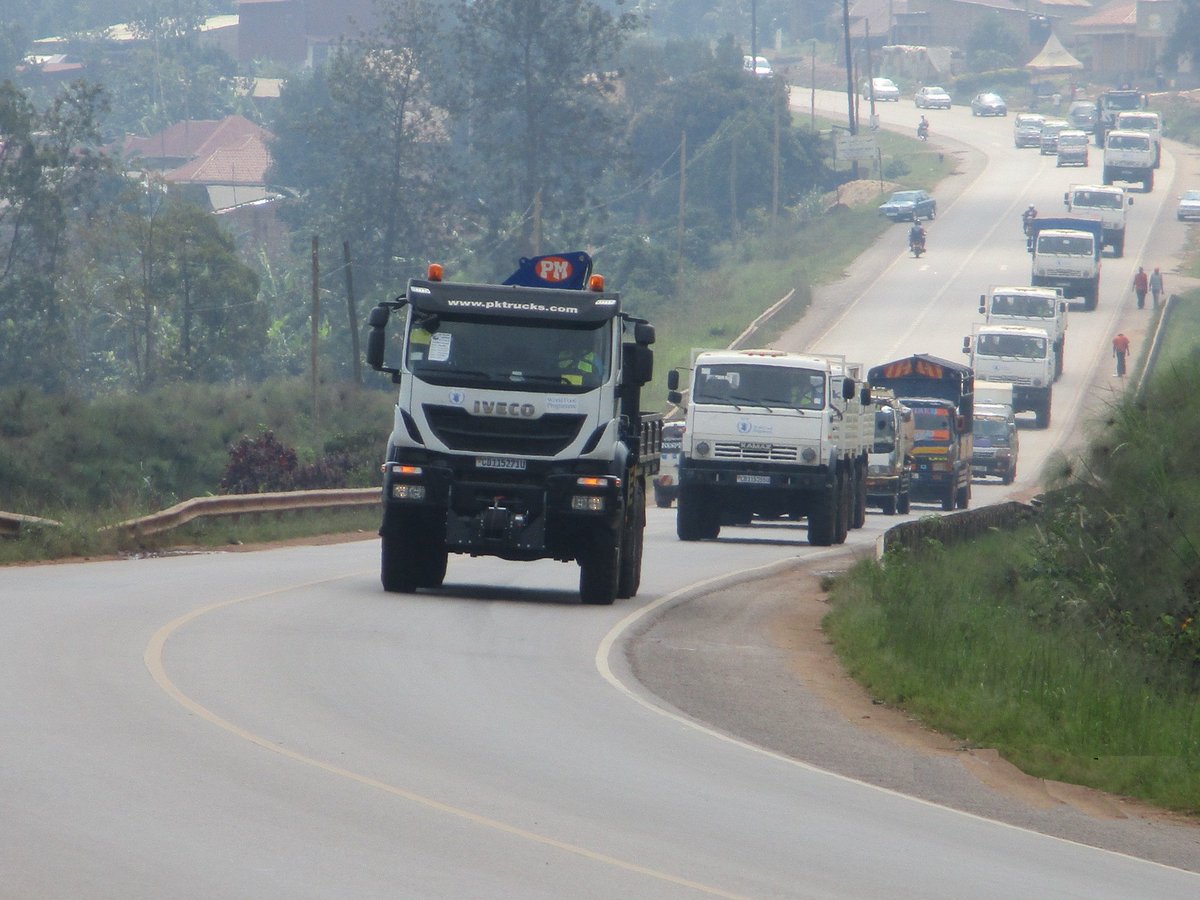
Speed. Crash. Boom. Accident!
As the noise and dust from the accident was settling down, a little conversation ensued between the driver and his co-driver.
Driver: Ooh Man, this is gross!
Co-driver: “See, it’s all your fault. How could you do that?”
Driver: Do what? It’s not my fault. I didn’t see it coming. It wasn’t intentional.
Co-driver: But I told you so. I warned you, remember?
Driver: Told me? So what?
In many organisations, similar conversations take place every day. Risk Managers don’t know how to manage risk effectively. They tend to think that to manage risk, they have two responsibilities:
- Identify all the things that can go wrong in a business
- Shield themselves from blame if anything goes wrong (imagine!).
Like Risk Managers, many Business Managers too, don’t understand how to manage risk effectively. They view risk management as an irksome interruption to their real job. They consider Risk Managers as unnecessary fellows who point fingers and avoid responsibility for anything.
So, what exactly is effective risk management?
Do you know how to drive a car? Risk Management is akin to driving a car.
When driving a car, you are continuously managing the risk of accidents. The elements of the car that prevent accidents are smoothly integrated with those elements that propel the car ahead. For example, you use your front wind shiels (all the time), side mirrors (many times) brakes (quite often); obey traffic rules (most of the time), and stay in your lane (most of the time). Although you may not realise it, with your intuitive balancing of speed and safety as you steer to your destination, you are effectively managing the risk of accidents.
Accordingly, in business, we manage the balance between “speed” (e.g increasing sales) and “safety” (controls against bad debts). As with driving a car, well-run businesses are those that smoothly integrate controls (e.g., brakes) with accelerators (e.g., the accelerator pedal), so that the two work in accord, and not against each other.
So how does risk-management relate to the driver and his co-driver highlighted at the start of this article?
First, Risk managers are co-drivers. They are in the passenger seat. They are not traffic observers hovering over the car in an airborne drone. Therefore, they have a stake in an accident-free journey of the car. As a navigator (in motor rallying), the Risk Manager helps with map reading, course-plotting, weather monitoring, and whatever else it takes to ensure a successful journey.
To blend car driving with risk management, it is important to note that although it may feel safer to drive at 10 km per hour in the correct lane with the brakes double parking lights on, someone may run you over from behind. Also, your competitors will get to the destination long before you do.
Similarly, cruising with an unbuckled seat belt and speeding the car up to 150 km per hour while ignoring traffic lights may be fast and electrifying, but it is likely to end nastily.
Key takeaways
- Effective Risk Management happens when business managers and risk managers recognize that they share the principal objective of arriving promptly and in one piece
- Controls against risk should be smoothly integrated into business processes, in the same way, safety features are integrated with accelerating features in cars.
Drive safely!