
“Mustapha, I want to grab coffee with you, which day are you free… we have a problem, but I cannot say it in the boardroom. And no one is bringing it up.”
The message came from a senior leader in a company that had just announced record profits, glowing margins, and what the chairman proudly called “our most stable year yet,” which is precisely why I took the meeting seriously, because in my experience real distress rarely announces itself during a crisis, it whispers during success.
We met at a quiet café, not far from the office tower whose glass façade reflected nothing but confidence, and before he touched his coffee he leaned forward and said something that most directors would dismiss as trivial: “The engineers have stopped arguing.”
That sentence told me more than the entire board pack. On paper, everything was green, revenue was up, attrition was low, and engagement scores were comfortably above industry average.
The CEO was celebrated internally and quoted externally. Fridays came with Cafe Javas pizza and smiling photographs on the company intranet. The culture was described as mature, aligned, and collaborative.
But inside meeting rooms, something essential had died. A year earlier, product reviews were loud, technical, sometimes uncomfortable, because engineers would challenge timelines, question design shortcuts, and push back on marketing promises that outpaced operational reality.
Now, proposals moved through committees with surprising ease, slides were presented without interruption, and decisions were approved in record time, which management interpreted as efficiency, and I recognized as fatigue.
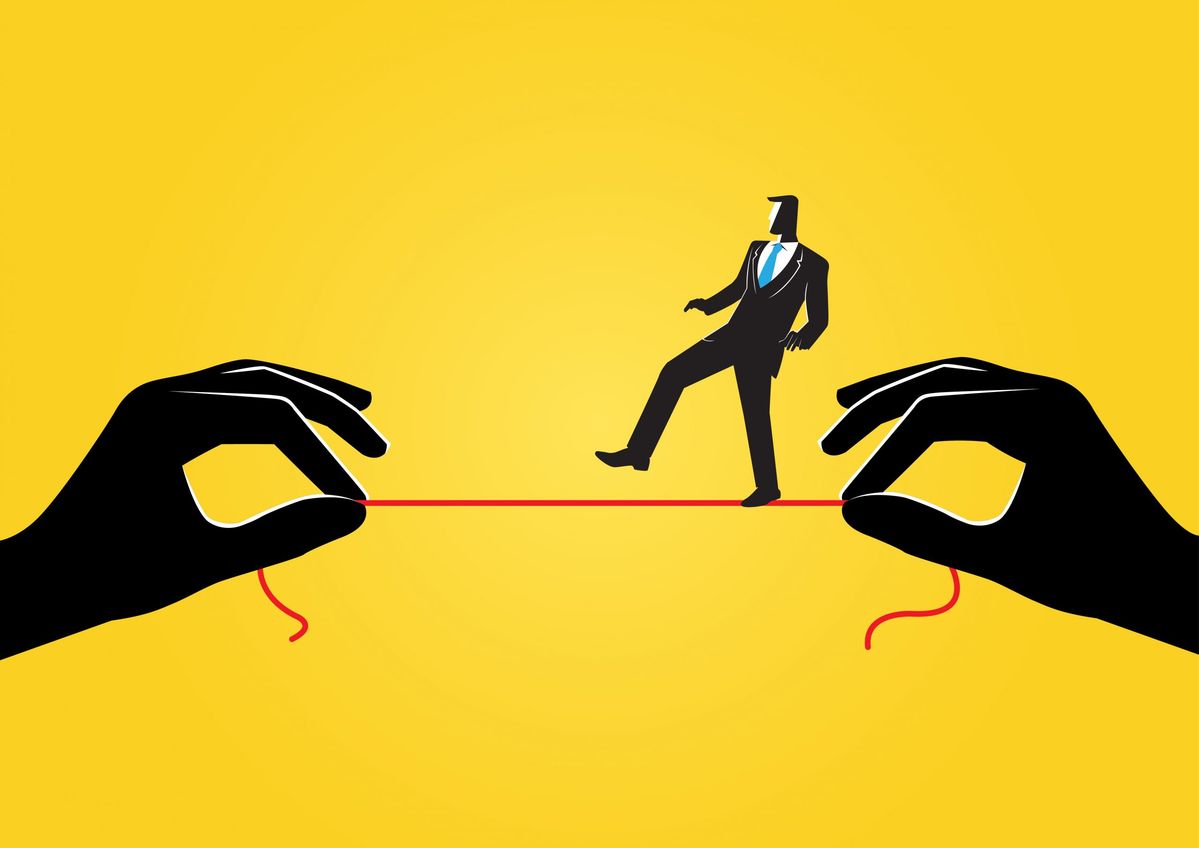
This is the management myth I want to dismantle. Calm is not proof of health. It is sometimes proof of surrender.
Imagine a high-performance engine built with precision engineering, tested under pressure, capable of extraordinary output, and then imagine that instead of oil someone begins to pour water mixed with in fine sand difficult to notice, not enough to stall the engine immediately, not enough to trigger dashboard warnings, but enough to create microscopic abrasions that compound with every rotation, so that by the time smoke appears the internal damage is already structural and expensive.
In that organisation, the sand was not fraud or scandal or regulatory failure; it was the slow erosion of intellectual honesty.
Engineers had raised the same architectural risks three quarters in a row and watched them deferred in favour of speed. Middle managers had flagged unrealistic delivery timelines and been told to “be solution oriented.”
Finance quietly preserved margins by delaying maintenance upgrades and trimming training budgets, just a little each quarter, nothing dramatic, nothing illegal, just incremental strain to protect the story of success.
And so, people adapted. They learned that dissent carried personal cost and limited impact, while compliance preserved reputation and career. They stopped arguing not because they agreed, but because they calculated.
From the board’s vantage point, the company looked disciplined. Risk registers were complete, audit opinions were clean, forecasts were met. Yet the board was measuring flames while ignoring heat.
The silent risks hiding in successful organisations rarely appear in the financial statements; they live in behaviour. They live in the moment when a respected informal leader withdraws from mentoring because he no longer believes excellence influences decisions.
They live in engagement surveys where high scores mask emotional withdrawal because staff have concluded that feedback is collected, not acted upon. They live in meetings where tension is absent not because alignment is deep, but because courage is thin.
At coffee, the executive told me something else that mattered: “Our best people are still here, but they are no longer fighting for better outcomes; they are protecting themselves.” That is the moment success becomes fragile.
Boards often assume that low conflict signals maturity, that stable results signal resilience, that predictable execution signals cultural strength, yet in dynamic markets predictability can simply mean you have stopped learning fast enough.
Competitors experiment while you optimize. Customers evolve while you defend. Frontline staff improvise heroically while structural fixes are postponed because this quarter must look clean.
Success creates insulation. Insulation dulls urgency. Dull urgency weakens adaptation.
If you are a director, ask yourself when you last heard a genuine internal disagreement presented without being sanitized, when you last met frontline influencers without management in the room, when you last asked not “What did we achieve?” but “Where are we quietly struggling?”
In the case of that company, margins were holding because reliable staff were overextended, because maintenance was deferred, because systems were patched rather than redesigned.
It worked, in the way a bridge can carry more weight than designed for a while, until cumulative stress finds its breaking point.
The pizza parties continued. The dashboards stayed green. But innovation slowed, product defects crept upward in subtle ways, and competitors began to attract the very engineers who had once argued passionately inside those walls.
Here is the tough truth for boards: the absence of noise is not evidence of health; it may be evidence of fear or fatigue. A truly strong culture can tolerate friction because it is anchored in shared purpose and disciplined decision-making.
A weak but successful culture avoids friction because harmony feels safer than truth. If you want to surface silent risks, you must design for discomfort. Institutionalize structured dissent. Require management to present the strongest internal counterargument to each major initiative and explain how it was addressed.
Track deferred investments as carefully as revenue growth. Tie executive incentives to the resolution of persistent frontline pain points, not only to financial output.
And above all, listen for silence. When experienced professionals stop arguing about substance, when meetings become smooth to the point of sterility, when success feels easier than it should in a volatile world, that is not a victory lap, it is an early warning signal.
The most dangerous risks in successful organisations do not announce themselves with drama. They accumulate quietly, scratch by scratch, inside the engine that everyone admires from the outside.
By the time smoke is visible in your board pack, the sand has already done its work.
I remain Mr. Strategy



0 comments
Leave a comment