
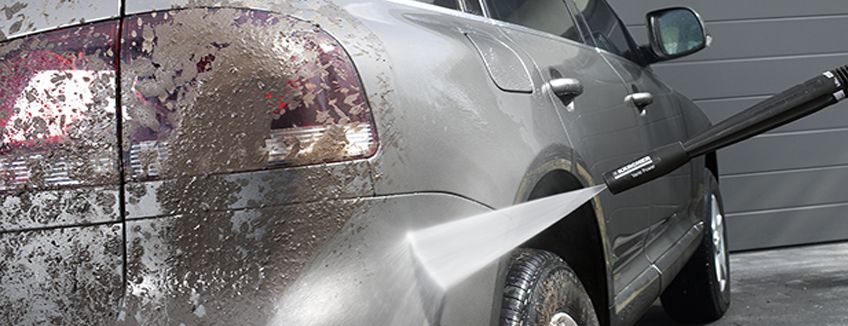
Are you giving your project the attention it needs? Are you keeping your eyes on the ball?
When you bought your first car you probably looked after it well and lavished a huge amount of love and attention on it. In the same way, when you were given your first project I bet you took a great deal of care to get the plan right and follow all of the correct steps.
However, once we have had a vehicle for a while it is easy to forget to wash it or to change the oil regularly and before we know it the old thing has become an unreliable eyesore. Clearly your project is subject to the same sort of risks, although hopefully no one will scrawl “wash me” on the dust covering your project documents.
Keep It Running Smoothly
The biggest benefit to looking after both your car and your project is that it will keep on running nicely if you do this well. A vehicle which hasn’t been well maintained can start to run into problems if you aren’t careful and this is exactly the same with your projects. By being constantly on the lookout for anything which needs modified or tidied up you can get a better performance out of it for longer.
Avoid Nasty Surprises
On the other hand, if you don’t know what is going on under the hood then how can you be expected to know what is going to go wrong? I used to be the kind of car owner who tried to ignore worrying squeaks and squeals from different parts of the vehicle, even though I knew deep down that I needed to do something about them. Your gut feeling will usually tell you whether there could be trouble ahead and you would be a fool to ignore this. Even if you can’t quite put your finger on the issue which is trouble you the smart move is to avoid sweeping it under the carpet, as this is when a nasty surprise is going to hit you later on.
Don’t Fall Asleep at the Wheel
One of the most basic ways of looking after your car is to drive it carefully and sensibly. I have never fallen asleep while driving but I remember the horrible sensation one night when I could feel my eyes getting heavy while I was driving home. I have been terrified of falling asleep at the wheel since then and I usually down a few cups of coffee before heading out on any late night drives. Being asleep at the wheel of your project can mean a few different things, I suppose. It could mean simply not paying attention to the way it is evolving or it could be about not being alert enough to spot ways of making it better. You can’t just start up a new piece of work and then let it drift along on its own without you doing anything else.
Sorting Things Out When You First Discover Them Is Cheaper and Easier
Have you ever heard a weird noise coming from your engine and though, “Ah, I’ll sort it out later on when I have time”. Over the next few weeks it gets worse and worse until you eventually have no choice but to take it to the local mechanic. He takes one look at it and says, “Your double flange sprocket’s gone south” (I don’t know much about the technical parts of cars, in case you haven’t guessed yet). He then goes on to say that he could have fixed it if you had brought it in a few weeks ago but now it needs to be replaced. Always pay attension and fix the small issues that affect your project in time before they turn into a problem that can failure the project.
Leave the Expert Stuff to the Experts
Writing the last point got me thinking about how the few times in which I have tried to fix something in my car I usually made matters worse. If you aren’t an expert then it is usually better to leave it alone and get someone who knows more to come in and sort it out. Sure, some jobs you could have a crack at but the key is in knowing which tasks you could try and which you really shouldn’t go near. It is easy to think that the project manager needs to know everything but this isn’t necessarily the case. If it is going to be easier and safer to get an existing expert on the subject to deal with it then I can’t see any problem with that



0 comments
Leave a comment