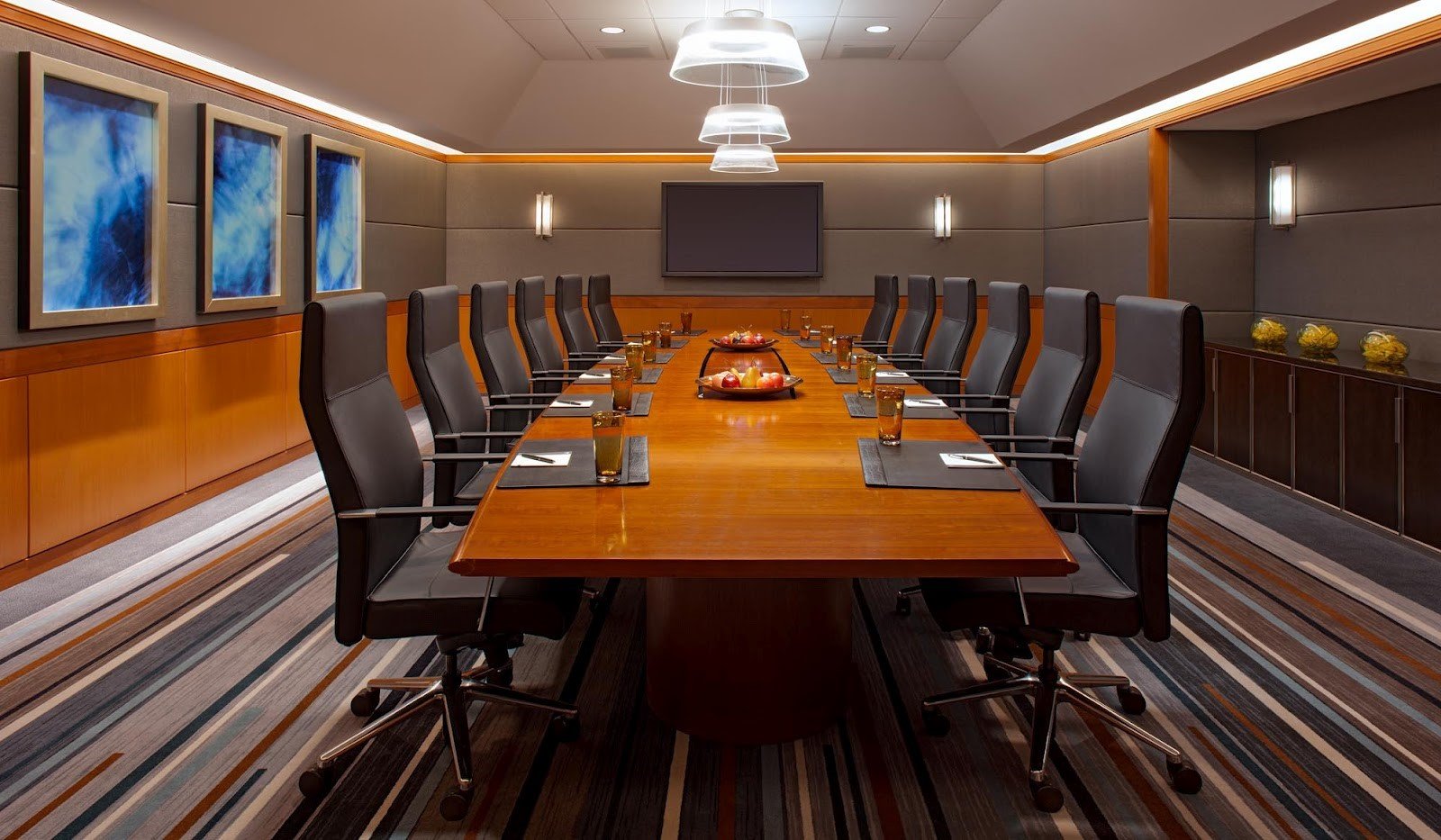
“Why do we keep approving plans that collapse six months later?”
The board chairman leans back, frustration written across his face. Papers shuffle across the polished table. Someone coughs. Another director flips through a 120-page strategy document nobody has actually read.
“Management says the numbers will improve next quarter,” a director offers. The chairman sighs. “They said that last quarter.” Getting a front row seat in the boardroom is a great benefit that gives you unlimited observation of issues unfold in the boardroom. I observe quietly. This scene is familiar.
It reminds me of a late evening in a cramped office building where the lights flicker every few minutes. Everyone complains about the darkness. Someone jokes about the electricity provider. Another suggests buying candles. Yet nobody checks the loose wire hanging from the ceiling.
The problem is not darkness. The problem is that everyone got used to it. Many boards operate the same way. They debate symptoms. They ignore the wire.
The comfortable fog
In one manufacturing company board I worked with, revenues were flat for three years. Costs were rising. Staff turnover was quietly accelerating. Management presented colorful slides.
“Demand is stabilizing.”
“Supply chain disruptions are easing.”
“Next year will be stronger.”
One director leaned toward (they always lean forward slightly) another and whispered,
“We have heard this before.”
The chairman cleared his throat.
“Are we certain the strategy is still valid?”
The CEO answered quickly.
“Yes, chairman. The market conditions are temporary.”
The board nodded and moved on.
Six months later the company posted its worst results in a decade.
Here is the problem boards rarely see. Boards review information. They rarely interrogate assumptions. They review board packs containing information which management present.
What Boards Miss?
Most board packs contain numbers, reports, and dashboards. But the most dangerous signals never appear in those documents.
The quiet resignation of top engineers. The growing distrust between middle managers. The slow erosion of customer loyalty.
These signals travel through corridors and lunch tables, not PowerPoint slides.
In one infrastructure company, a junior procurement officer told his colleague during tea break: “If the board knew how we really select suppliers, they would shut this place down tomorrow.”
The colleague laughed. “They only see the reports.” That conversation never reached the boardroom.
But it was the real risk.
The Invisible Triangle
From years of advising boards across emerging markets, I have seen three blind spots that quietly destroy organizations.
First, information filtering. Managers instinctively protect themselves. Reports become smoother each month. Problems are softened before reaching directors.
Second, strategic drift. Boards approve strategies but rarely test whether the assumptions behind them still hold.
Third, cultural decay. When fear grows inside an organization, bad news stops travelling upward.
One director once whispered during a retreat, “We only hear good news. That is what scares me.” He was right. Good news everywhere usually means information is dying somewhere.
A live exercise I run with boards
At this point in the session I stand up and give the directors a task. I say this exactly as follows. Here is what I want us to do.
Each director writes down three things in this organization that management would never voluntarily report to the board. You have five minutes only. No discussion. Just write. The room becomes tense.
When we review the answers, the same themes always appear.
- Hidden operational risks.
- Political alliances inside management.
- Projects that look successful on paper but quietly drain cash.
- Suddenly the board sees something it had never discussed openly.
That is the reality the board needs to confront.
The Chairman’s real role
The chairman’s real job is not merely to run board meetings smoothly. The chairman’s job is to create a room where difficult questions and conversations can breathe. One chairman once told his directors during a strategy review, “We are not here to admire management presentations. We are here to challenge them.”
That statement changed the tone of the board overnight. Directors began asking better questions. Management began preparing better answers. Performance improved within a year.
Questions for Boards to Ponder
If you are a board chairman, ask your directors:
- What are the three risks in this organization that management would never voluntarily report to us?
- Which assumption in our strategy, if proven wrong tomorrow, would collapse the entire plan?
- When did we last hear truly bad news directly from employees below senior management?
And ask your CEO:
- What is the one truth about this company that would make this board worried if we discussed it honestly?
- Which senior manager is quietly protecting a failing project?
- If you were not the CEO, what would worry you most about this organization?
Because the greatest danger in governance is not fraud. It is collective blindness. The boardroom lights look bright. But somewhere above the ceiling, the wire may already be loose.
I remain, Mr. Strategy