I recommend you use the Executive Trust Grid
Three years ago, I visited a struggling school in Kyengera. The headteacher was exhausted. He kept the office keys. He signed every gate pass. He supervised kitchen supplies. Worse still, I was informed that he usually sits in every class, pretending to “observe” teachers. After three days of school operations review and interaction with the school management, I got a chance for a one-on-one.
The first question I asked was why. His voice cracked, “They don’t do it right if I’m not watching.” I walked with him around the school. The chalkboards were half used. The library was dusty. The staff room was silent. Teachers had mentally checked out. And so had the students. We had chats with students who said the teaching was horrible. No room to ask questions, and all class work exercises were never marked!
Micromanagement had crushed initiatives. The school didn’t lack money. It lacked trust. I have seen the same thing in multibillion-dollar corporations.
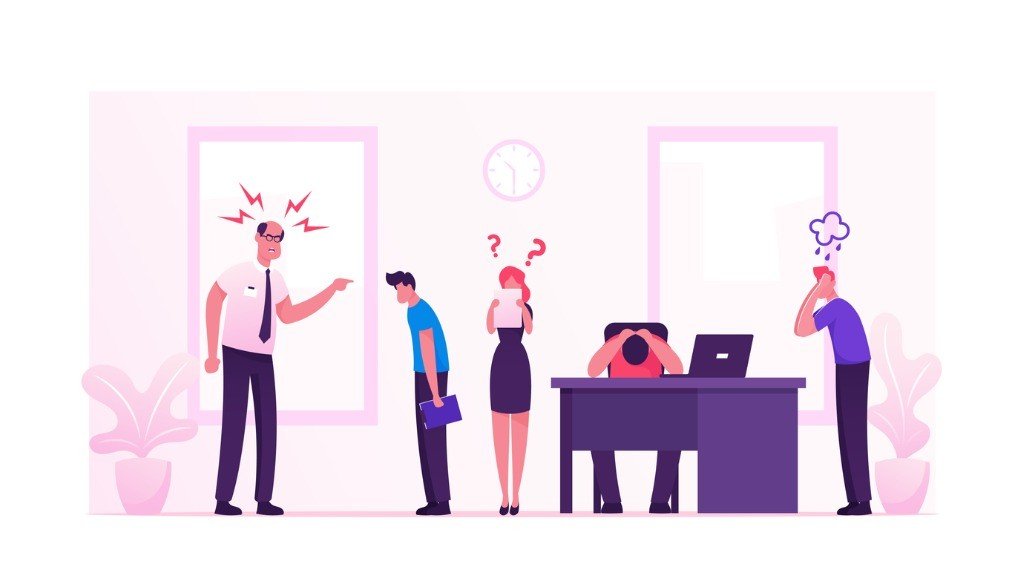
Micromanagement is not a leadership style. It’s a symptom of a weak executive team and an insecure leader. It is how power compensates for incompetence.
When the captain rows, the crew stops paddling
During a transformation support engagement for a fast-growing fintech, the founder was brilliant, visionary, driven, and charismatic. But he was also burnt out. He reviewed every product spec. Sat in every HR interview. Signed off on every vendor payment. “We’re scaling too fast,” he said. No. They were not scaling. He was doing all the scaling. The executive team was just watching him row.
I grew up in a village where, during the rainy season, if the family head insists on being the one to cut all the grass, till the land, and tie all the goats, he gets burnt out, the crops fail, and the children stop trying. Not because they are lazy. But because they know their father will redo everything anyway.
Micromanagement signals that your lieutenants can’t be trusted with the mission. That’s not a scheduling problem. That’s a recruitment, capability, and structure failure.
Three root causes of micromanagement
a) You hired loyal followers, not competent owners. Many executives fear hiring strong, independent leaders, so they go for “safe” options. Those who won’t challenge them. Now you’re stuck with people who need hand-holding. That’s not a team. That’s a burden.
b) You’ve built no rhythm of trust. If your execs do not have clear KPIs, decision rights, and review mechanisms, you’ll always feel uneasy. Visibility is the vaccine against micromanagement. With dashboards, trust becomes measurable.
c) Your strategic priorities keep shifting. Teams lose grip when the “what” and “why” change every two weeks. So you step in to “fix” things. But what you’re fixing is the confusion you created.
Leadership challenge this week
Ask yourself: What do I do for my team that they should be doing for me? List them. Then stop. Just stop. Let them fall, if they must. Leadership is not about preventing mistakes, it is about building ownership.
Book a brutally honest executive meeting. Pose this: “Where have I been doing your job?” Then pose this: “Which of you, if I left today, could run this business better?” If no hands go up, your team is broken. Fix it.

"Micromanagement is the cough. Your executive team is the lungs. If you are coughing too much, check what you’re breathing. And who you’ve surrounded yourself with."
Tweet
I recommend you use the Executive Trust Grid
Map each direct report:
- Competence: Do they know what to do? How good are they at it?
- Ownership: Do they take action without being pushed? To what extent do they take ownership? Is it extreme or low?
On a 2×2 grid; above,
- High competence, high ownership → Empower and elevate
- High competence, low ownership → Confront and realign
- Low competence, high ownership → Coach or redeploy
- Low competence, low ownership → Exit immediately
This is how grown-up leaders build a legacy. Not by hovering. But by hiring right and trusting wisely.
Micromanagement is the cough. Your executive team is the lungs. If you are coughing too much, check what you’re breathing. And who you’ve surrounded yourself with.