
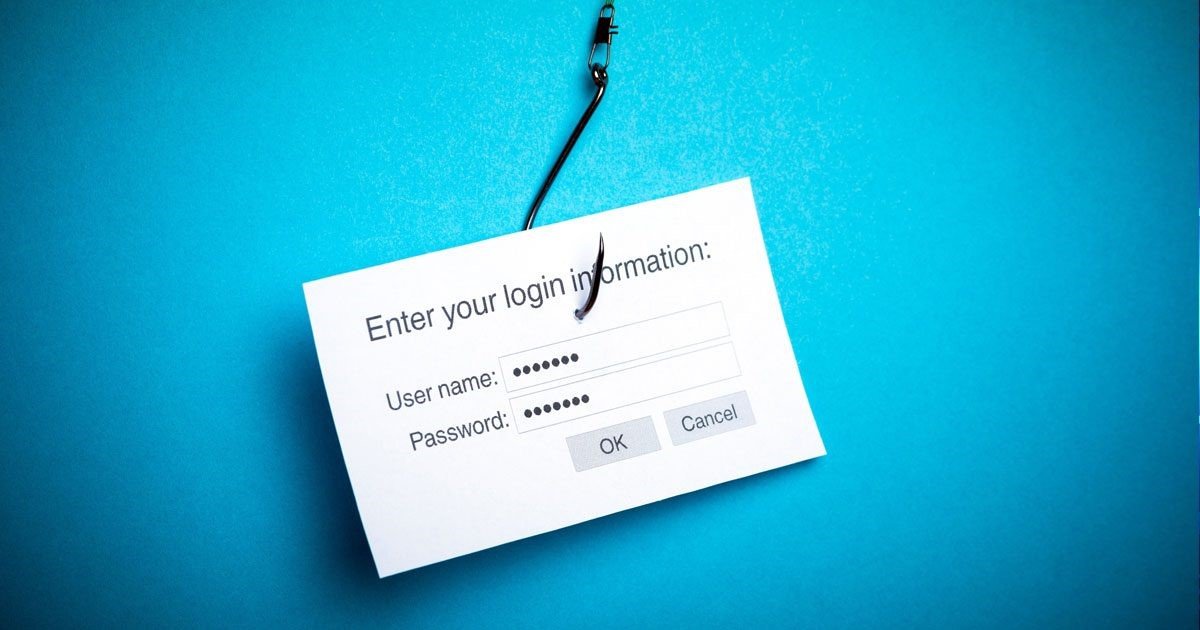
The most dangerous cyber incidents we have investigated did not happen during chaos; they happened during calm.
Early January is deceptive. Offices reopen slowly, Decision-makers are on staggered leave, Finance teams are closing December books, IT teams are running on skeleton staff, and everyone assumes the risk passed with the holidays. That assumption is wrong.
In cybersecurity, the start of the year is not a reset. It is a window.
Why attackers love the new year
Phishing thrives on context, and January provides it in abundance. The Password resets, New-year policy updates, revised payroll instructions, and Vendor contract renewals. “Happy New Year” messages from executives. These are not anomalies but expected. That is what makes them exploitable.
I have seen a single email; well-timed, politely worded, carrying a fake sense of urgency, unlock an entire organisation. Not through brute force, but through routine. The attacker does not pretend to be a hacker. He pretends to be the system.
The case leaders miss
In one organisation, a finance officer received an email on January 3rd titled “Updated payment confirmation for Q4 closeout.” The sender looked internal. The language matched previous emails. The attachment carried the right logo.
She opened it; however, nothing happened, no alert, and no crash. What she did not know was that her credentials had just been harvested. By the end of that week, attackers had accessed email archives, observed approval patterns, and quietly inserted themselves into real conversations. A legitimate supplier invoice was intercepted, bank details altered, and re-sent. The payment went out on January 10th.
No malware, no alarms. Just trust exploited at the right moment.
Why phishing works better in January than any other month
First, cognitive fatigue: People return to work distracted, with personal finances, school fees, and travel recovery. Attention is thin.
Second, authority confusion: Interim approvals. Acting roles. Temporary delegations. Attackers target ambiguity.
Third, delayed detection. Reconciliations lag. Security monitoring is lighter. By the time anomalies surface, the money or data is already gone. Phishing does not rely on stupidity. It relies on timing.
The board-level blind spot
Most boards review cybersecurity annually. Attackers operate weekly. When cyber risk is treated as a periodic agenda item rather than a behavioural reality, January becomes a blind spot. Controls exist, but no one is watching them closely.
The most telling sign is this: security teams report “no incidents,” while finance teams report “unexplained delays,” and leadership assumes they are unrelated. They are not.
What disciplined organisations do differently
They assume January is hostile. They reinforce credential hygiene before the holidays end. They flag all “new year” themed emails for extra scrutiny. They tighten approval thresholds temporarily, not loosen them.
Most importantly, they speak openly about phishing; not as a technical threat, but as a human one. The most effective warning I have seen sent to staff in early January was simple:
“Nothing urgent is urgent enough to bypass verification.”
That single sentence has saved organisations millions. Cybersecurity failures at the start of the year are not caused by a lack of tools. They are caused by misplaced calm.
Attackers do not take holidays. They study ours. So when the year begins quietly, leaders should lean in, not relax. Because in cybersecurity, the silent nights are when the real work begins.



0 comments
Leave a comment