
Dear Executives and Managers,
Growing up in the village we had a curious ritual during the mango season. Everyone in the village would rush to pick ripe mangoes under the big tree early in the morning. But there was always one man old Kasaija who waited until afternoon when the sun was high, thinking no one else would pick the mangoes. By then, the fruits were long gone. Year after year, he complained that others were his problem. The truth was simpler: he was too comfortable, too sure the mangoes would wait for him.
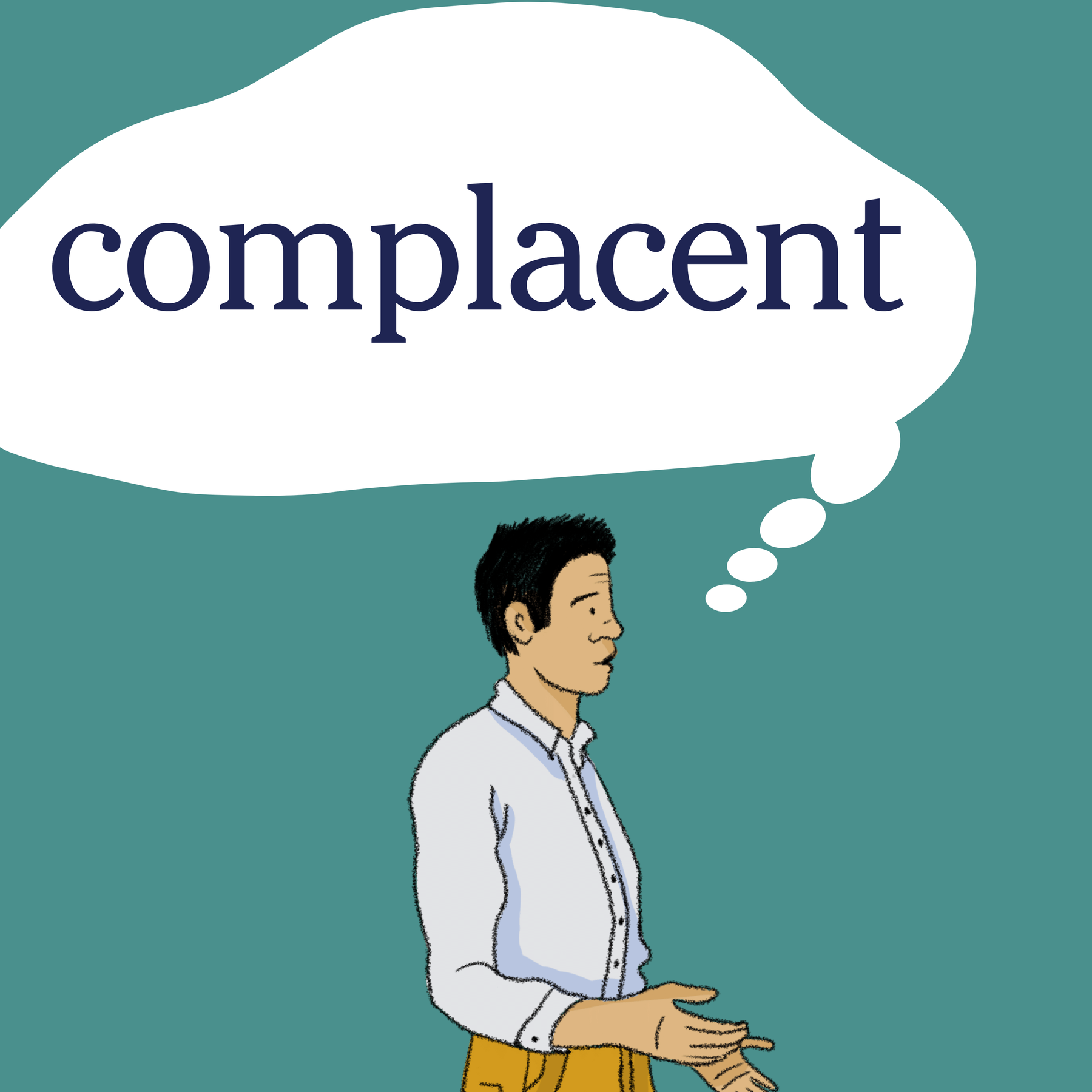
I see the same problem in boardrooms. Leaders obsess over competitors what new product they’ve launched, which market they’ve entered, and what price they’ve slashed. But I’ll tell you plainly: your biggest competitor is not another company. It’s your complacency.
The silent killer: success
During a strategy execution review at a telco in Tanzania, I noticed a disturbing trend. The company had hit all its previous year’s KPIs. Profits were up. Market share steady. Management was happy. But beneath the surface, processes were slowing down. Product innovation meetings were postponed. Talent development budgets were slashed because “we already have the best team.” When I asked what new risks or disruptions they foresaw, all hands stayed down.
You see, success is a drug. It blinds you. It tells you, “Relax, we’ve made it.” That’s when cracks begin. It’s never one big thing a competitor doesn’t suddenly swallow you whole. It’s the small things you ignore: the young startups you dismiss, the customer complaints you say aren’t urgent, the mediocre middle managers you tolerate.
Five years ago, working as a consultant on a retainer basis to support senior managers at an insurance company in Kenya to grow sales, we started by analyzing the current team’s SWOT. Everyone listed competitors and economic downturns as their threats. No one mentioned internal bureaucracy, silo mentality, or lack of cross-departmental collaboration. Yet, when we deep-dived into the business like a good doctor diagnosing a patient, the real bottlenecks were inside sales teams hoarding information, underwriting delaying approvals, and leaders making decisions based on outdated data.

“Complacency is like high blood pressure. You don’t feel it immediately. But slowly, it chokes your organization’s agility, your customer focus, and your innovation engine”
Tweet
Complacency doesn’t show on financial statements until it’s too late
Complacency is like high blood pressure. You don’t feel it immediately. But slowly, it chokes your organization’s agility, your customer focus, and your innovation engine. By the time you notice it on your balance sheet, it’s already metastasized.
For instance, at that Tanzanian telco, we introduced a very uncomfortable exercise: every executive was required to come up with three ways their department would self-cannibalize their product or process within six months. It forced leaders to think like competitors. Guess what? We uncovered over ten potential new revenue streams and fixed three major process inefficiencies. All of which had nothing to do with the market, and everything to do with internal stagnation.
Leadership challenge: comfort zones disguised as strategy
Here’s the leadership challenge I want you to reflect on. Where in your company have you mistaken stability for strategy? Which KPIs are giving you false comfort? Who in your leadership team has not been challenged for the last year?
The structured way to fix this is simple but not easy. a) Start with a brutal internal audit not of finances but of behaviors, decision-making speed, talent dynamism, and customer feedback loops. b) Create discomfort deliberately. I recommend quarterly “What Would Kill Us?” workshops, where teams must assume your company is failing and list why. c) Reward change agents, not just performers. Many organizations I’ve worked with celebrate those who hit numbers but ignore those who question inefficient practices.
Leadership tool the complacency diagnostic
I’ve designed a simple diagnostic tool for leaders: at your next leadership meeting, ask each member these five questions
- When was the last time you killed or reinvented one of your processes?
- Which competitor do you admire and why?
- What is one complaint from frontline staff that has been ignored?
- Which product of yours would a startup beat in the next 12 months, and how?
- What key decision would you reverse today if you had no fear of failure?
The answers will expose if complacency is your biggest competitor.
Because remember it’s not the company across the street that will bury you. It’s the mangoes you assumed would wait for you under the tree.
Till next week,


