
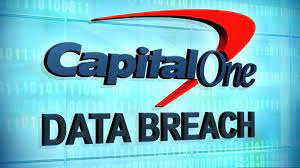
Capital One Bank’s 2019 data breach was the result of a misconfigured firewall in the company’s cloud infrastructure. The attacker was able to gain access to sensitive information, including names, addresses, credit scores, and Social Security numbers, of over 100 million customers.
The following are key lessons for directors:
- Importance of Cloud Security: Capital One Bank’s breach highlights the importance of proper security in cloud environments. Directors should ensure that the organization’s cloud infrastructure is secure and that all security protocols and configurations are being followed.
- Third-Party Risk Management: Capital One was using a third-party cloud service provider, and the breach occurred due to a misconfiguration by the provider. Directors should ensure that the organization has a comprehensive third-party risk management program in place to minimize the risk of similar incidents.
- Regular Security Assessments: The Capital One breach could have been prevented if regular security assessments were in place. Directors should ensure that the organization conducts regular security assessments and penetration testing to identify vulnerabilities and potential threats.
- Employee Training: The Capital One breach demonstrated the importance of employee training in preventing data breaches. Directors should ensure that employees are trained in cybersecurity best practices and understand the importance of protecting sensitive information.
In conclusion, Capital One’s data breach serves as a reminder of the importance of proper security in cloud environments and the need for regular security assessments, employee training, and third-party risk management. Directors must prioritize cybersecurity and ensure that the organization has the necessary resources and policies in place to protect against cyber threats.
2012 data breach at TD Bank: how it happened and lessons for board
The 2012 data breach at TD Bank was the result of a vulnerability in the company’s automated teller machine (ATM) network. The attackers were able to install malware on the ATMs, which allowed them to steal customer information, including names, addresses, and Social Security numbers, of over 260,000 customers.
The following are key lessons for the board:
- Importance of Network Security: TD Bank’s breach highlights the importance of proper network security and the need to secure all endpoints, including ATMs. The board should ensure that the organization has a robust network security program in place, including regular security assessments and vulnerability scans.
- Incident Response Planning: TD Bank’s breach demonstrated the importance of having a well-established incident response plan in place. The board should ensure that the organization has a plan in place and that all employees understand their roles and responsibilities in the event of a breach.
- Regular Software Updates: The vulnerability that was exploited in TD Bank’s ATM network could have been prevented with regular software updates. The board should ensure that the organization regularly updates all software and systems to minimize the risk of vulnerabilities.
- Employee Training: The TD Bank breach demonstrated the importance of employee training in preventing data breaches. The board should ensure that employees are trained in cybersecurity best practices and understand the importance of protecting sensitive information.
In conclusion, TD Bank’s data breach serves as a reminder of the importance of proper network security and the need for regular software updates, employee training, and incident response planning. The board must prioritize cybersecurity and ensure that the organization has the necessary resources and policies in place to protect against cyber threats.


0 comments
Leave a comment